Home Cooling
5 Summer Cooling Tips to Reduce Your Electric Bill
March 22, 2026 · 7 min read
Key Takeaways
- Raising your thermostat by just 2°C can reduce cooling costs by 10–15%
- A dirty AC filter can increase energy consumption by 5–15%
- Ontario's time-of-use pricing makes evening cooling significantly cheaper
- Ceiling fans let you set the thermostat 2–3°C higher without losing comfort
Summer electricity bills in the GTA can spike 40–60% above spring levels, with air conditioning accounting for the majority of that increase. The good news: most homeowners can cut their cooling costs by 20–30% with straightforward changes that don't require any equipment purchases or upgrades. Here are five strategies that deliver real savings.
1. Optimize Your Thermostat Settings
The single most effective way to reduce cooling costs is raising your thermostat setpoint. Every degree Celsius above 22°C saves approximately 3–5% on cooling energy. Setting your AC to 24–25°C instead of 22°C can save $50–$100 per summer without meaningfully affecting comfort — especially when combined with ceiling fans.
Use programmable or smart thermostat schedules:
- Away (work hours): Set to 27–28°C. Your home doesn't need to be cool when it's empty.
- Home (evenings): Set to 24–25°C. Start cooling 30 minutes before you arrive.
- Sleep: Set to 23–24°C. Most people sleep better in slightly cooler conditions.
Avoid the common mistake of setting the thermostat very low (18–20°C) to "cool faster." Air conditioners cool at the same rate regardless of the setpoint — the lower number just makes the system run longer.
2. Take Advantage of Time-of-Use Pricing
Ontario's time-of-use (TOU) electricity pricing means the same kilowatt-hour costs different amounts depending on when you use it. During summer 2025, rates ranged from roughly 7.4¢/kWh (off-peak) to 15.1¢/kWh (on-peak) — a 2x difference. Pre-cooling your home during off-peak hours (7 PM–7 AM weekdays, all day weekends) and letting the thermostat rise slightly during peak hours (11 AM–5 PM) can reduce your cooling electricity cost by 15–25% without changing your total energy use.
If you have a smart thermostat, many models (Ecobee, Nest, Honeywell) can automate this with built-in TOU scheduling features.
3. Maintain Your AC System
A well-maintained air conditioner runs 10–25% more efficiently than a neglected one. Three maintenance tasks deliver the biggest payoff:
Replace the Air Filter
A clogged filter restricts airflow, forcing the blower motor to work harder and reducing the evaporator coil's ability to absorb heat. Check your filter monthly during cooling season and replace it when it looks dirty — typically every 30–60 days for 1-inch filters. This single task can improve efficiency by 5–15%.
Clean the Outdoor Condenser
The outdoor unit needs clear airflow to reject heat efficiently. Trim vegetation to maintain 2 feet of clearance on all sides. Rinse the condenser fins with a garden hose (not a pressure washer) once a month to remove grass clippings, pollen, and cottonwood fluff. A dirty condenser can reduce capacity by 10–20%.
Schedule a Professional Tune-Up
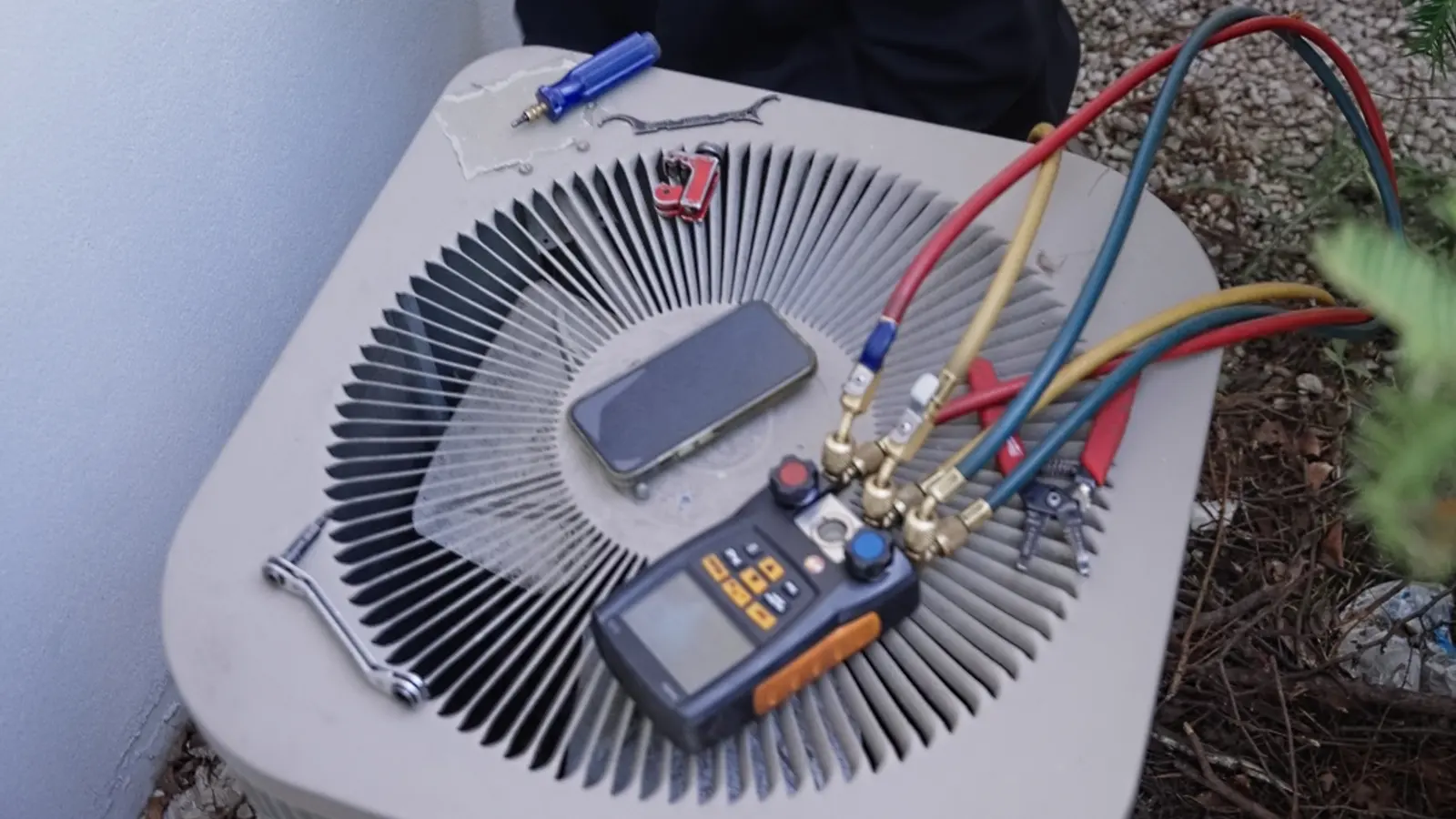
An annual professional service (ideally in May or early June) includes refrigerant level verification, electrical connection checks, and coil cleaning that DIY maintenance can't fully address. This costs $100–$180 and typically pays for itself in reduced energy use within the first season.
4. Use Fans Strategically
Ceiling fans don't cool the air — they cool people by increasing evaporative cooling on skin. This wind-chill effect makes a room feel 2–3°C cooler than the actual temperature. Run ceiling fans counterclockwise (summer mode) in occupied rooms and raise the thermostat setpoint by 2°C. A ceiling fan costs about $0.02/hour to operate versus $0.50–$1.00/hour for the air conditioner — that's a 25:1 efficiency advantage for perceived comfort.
Key rule: Fans cool people, not rooms. Turn them off when you leave the room. A fan running in an empty room wastes electricity.
5. Reduce Heat Gain from Windows and Appliances
Your AC doesn't just fight outdoor heat — it fights the heat your home generates and absorbs internally:
- Close blinds on south- and west-facing windows during afternoon hours. Uncovered windows can add 1,000–3,000 BTU/hr of solar heat gain — equivalent to running a space heater.
- Use the oven and stove less. A conventional oven adds 3,000–5,000 BTU/hr of heat to your kitchen. Grill outside, use a microwave, or cook during cooler evening hours.
- Run the dryer at night. A clothes dryer exhausts hot, humid air and generates 5,000+ BTU/hr of waste heat. Running it during off-peak hours saves both on TOU pricing and daytime cooling load.
- Switch to LED bulbs if you haven't already. Incandescent bulbs convert 90% of their energy to heat. LEDs produce negligible heat and use 75% less electricity.
Frequently Asked Questions
Is it cheaper to leave the AC on all day or turn it off when I leave?
It's cheaper to raise the temperature when you're away (to 27–28°C) rather than turning the system completely off. A completely off system lets humidity build up, which takes significant energy to remove when you restart. A slightly higher setpoint keeps humidity controlled while reducing compressor run time.
Do portable AC units save money?
No. Portable air conditioners are the least efficient cooling option, with effective EER ratings of 5–8 compared to 10–14 for central systems. They're a temporary solution for spaces without other options, but they'll increase your electricity bill compared to a properly sized central or ductless system.
How much should AC cost to run per month in the GTA?
A 3-ton central AC running 8 hours per day in a typical GTA summer costs approximately $120–$200 per month at current Ontario electricity rates. Exact costs depend on your system's efficiency (SEER rating), home insulation, thermostat settings, and which TOU pricing tier covers most of your usage.
Start Saving Before the Heat Hits
The best time to prepare for summer cooling costs is before the first heat wave. Schedule your AC tune-up, replace that filter, and program your thermostat now. If your system is more than 12 years old and your bills keep climbing, it may be time to consider an AC replacement that pays for itself in energy savings.
Need a tune-up or assessment? Book online or call 1-855-539-4328.