
Home Cooling
Central AC vs. Ductless Mini-Split: Pros and Cons
March 22, 2026 · 9 min read
Key Takeaways
- Central AC is more cost-effective for homes with existing ductwork
- Ductless mini-splits offer zone control and work in homes without ducts
- Mini-splits are 20–30% more efficient due to zero duct losses
- The best choice depends on your home's layout, not which system is "better"
Central air conditioning and ductless mini-splits both cool your home effectively, but they work differently, cost differently, and suit different situations. This comparison breaks down the real-world pros and cons of each system so you can make the right choice for your GTA home.
How Each System Works
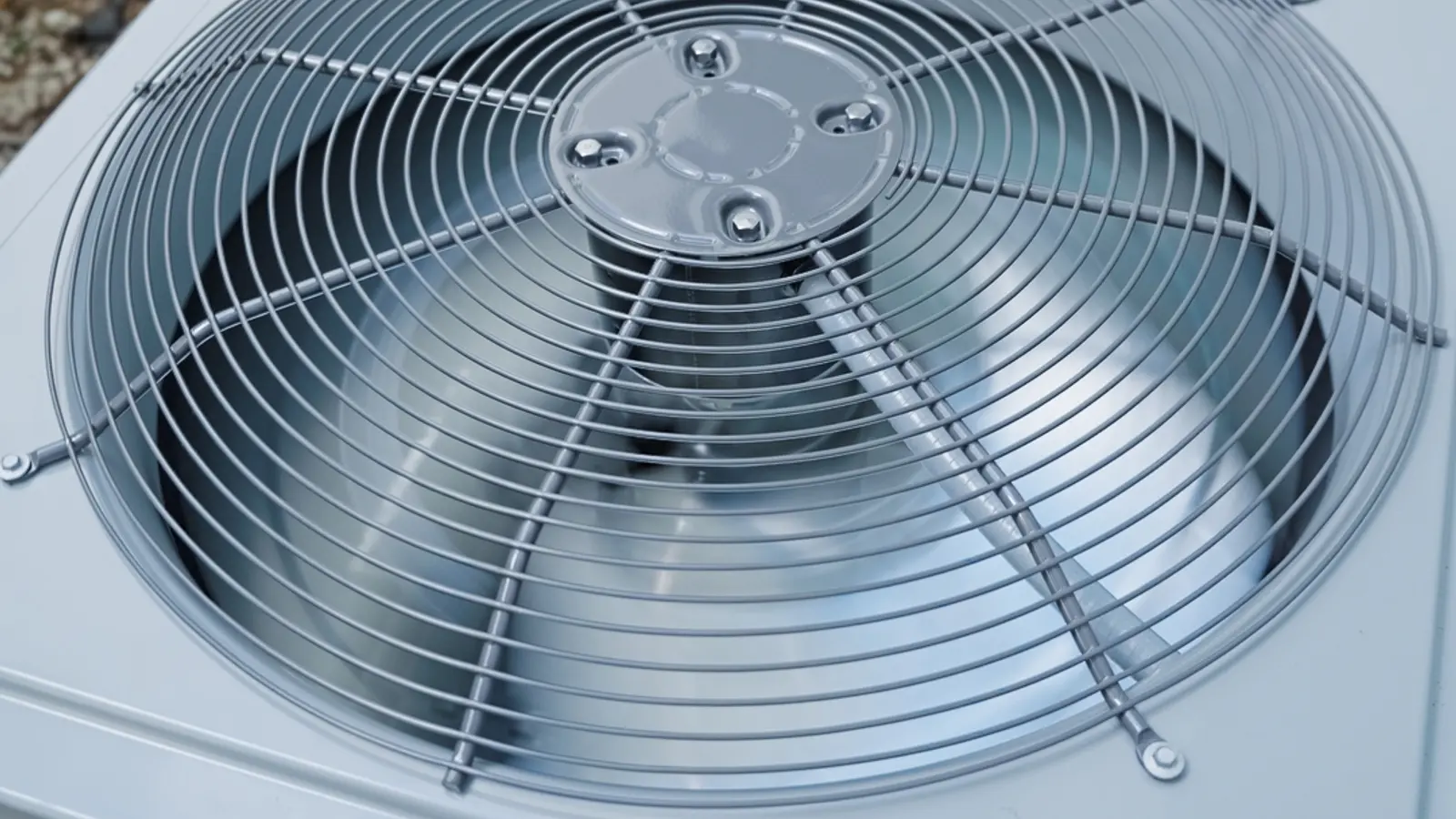
Central AC uses a single outdoor condenser connected to an indoor evaporator coil that sits on top of your furnace. The furnace's blower pushes cooled air through your home's ductwork, distributing it through supply registers in every room. One thermostat controls the entire system.
Ductless mini-splits use an outdoor compressor connected directly to one or more wall-mounted indoor units via small refrigerant lines. Each indoor unit has its own thermostat and cools its zone independently. No ductwork is needed — just a 3-inch hole through the wall for the refrigerant lines and wiring.
Side-by-Side Comparison
| Factor | Central AC | Ductless Mini-Split |
|---|---|---|
| Installed cost (whole home) | $4,500–$7,000 | $8,000–$15,000 (3–4 zones) |
| Efficiency | 14–21 SEER2 | 17–33 SEER2 |
| Duct losses | 15–25% typical | None |
| Zone control | Single zone (without dampers) | Per-room control standard |
| Installation time | 1 day (with ducts) | 1–2 days |
| Noise level | Indoor: silent (uses furnace blower). Outdoor: 68–76 dB | Indoor: 19–32 dB. Outdoor: 48–58 dB |
| Aesthetics | Hidden (in ductwork) | Visible wall units |
When Central AC Is the Better Choice
- Your home already has ductwork — no need to pay for a ductless installation when the distribution system exists
- You want whole-home cooling at the lowest upfront cost — central AC costs 40–50% less than a comparable multi-zone mini-split
- Aesthetics matter — all components are hidden in the ductwork and mechanical room
- You prefer one thermostat — simpler operation, one temperature for the whole house
When Ductless Is the Better Choice
- No existing ductwork — older homes, radiant-heated homes, converted spaces
- Adding cooling to specific rooms — a sunroom, basement suite, garage conversion, or bonus room above the garage
- You want zone control — each room at its own temperature, only cooling occupied spaces
- Efficiency is the priority — mini-splits avoid 15–25% duct losses and variable-speed compressors run at partial load most of the time
For a deeper dive into how ductless systems work and their best applications, see our guide to ductless AC.
The Hybrid Approach
Many GTA homes use both systems: central AC for the main living areas (where ducts already exist) and a ductless head for a problem room that's always too warm — the upstairs master bedroom, a finished attic, or a sunroom. This combination costs less than a full multi-zone mini-split while solving the most common comfort complaints.
Frequently Asked Questions
Are ductless mini-splits really more efficient than central AC?
Yes, when comparing actual delivered efficiency. A central AC rated at 16 SEER2 typically delivers 12–14 SEER2 effective efficiency after duct losses. A ductless system rated at 20 SEER2 delivers close to its full rating because there are no ducts to leak conditioned air into unconditioned spaces.
Do mini-splits work in Ontario winters?
Heat pump mini-splits can both cool and heat. Modern cold-climate models like the Mitsubishi Hyper-Heat series maintain heating capacity down to –25°C, making them viable as primary or supplemental heating in the GTA. Cooling-only mini-splits are also available at lower cost if you only need summer comfort.
How visible are the indoor wall units?
Standard wall-mounted heads are about 32 inches wide and 12 inches tall, mounted high on the wall. They're noticeable but not obtrusive. Ceiling cassette models are available for a more discreet installation — they sit flush in the ceiling with only a slim grille visible — but cost 30–40% more per zone.
Not Sure Which System Fits?
The right choice depends on your home's structure, your comfort priorities, and your budget. Book a free assessment and we'll recommend the system — or combination — that makes the most sense for your situation.