Air Quality
Benefits of Using a Humidifier at Home
March 26, 2026 · 7 min read
Key Takeaways
- Ontario winter humidity drops to 15–25% indoors — well below the healthy 30–50% range
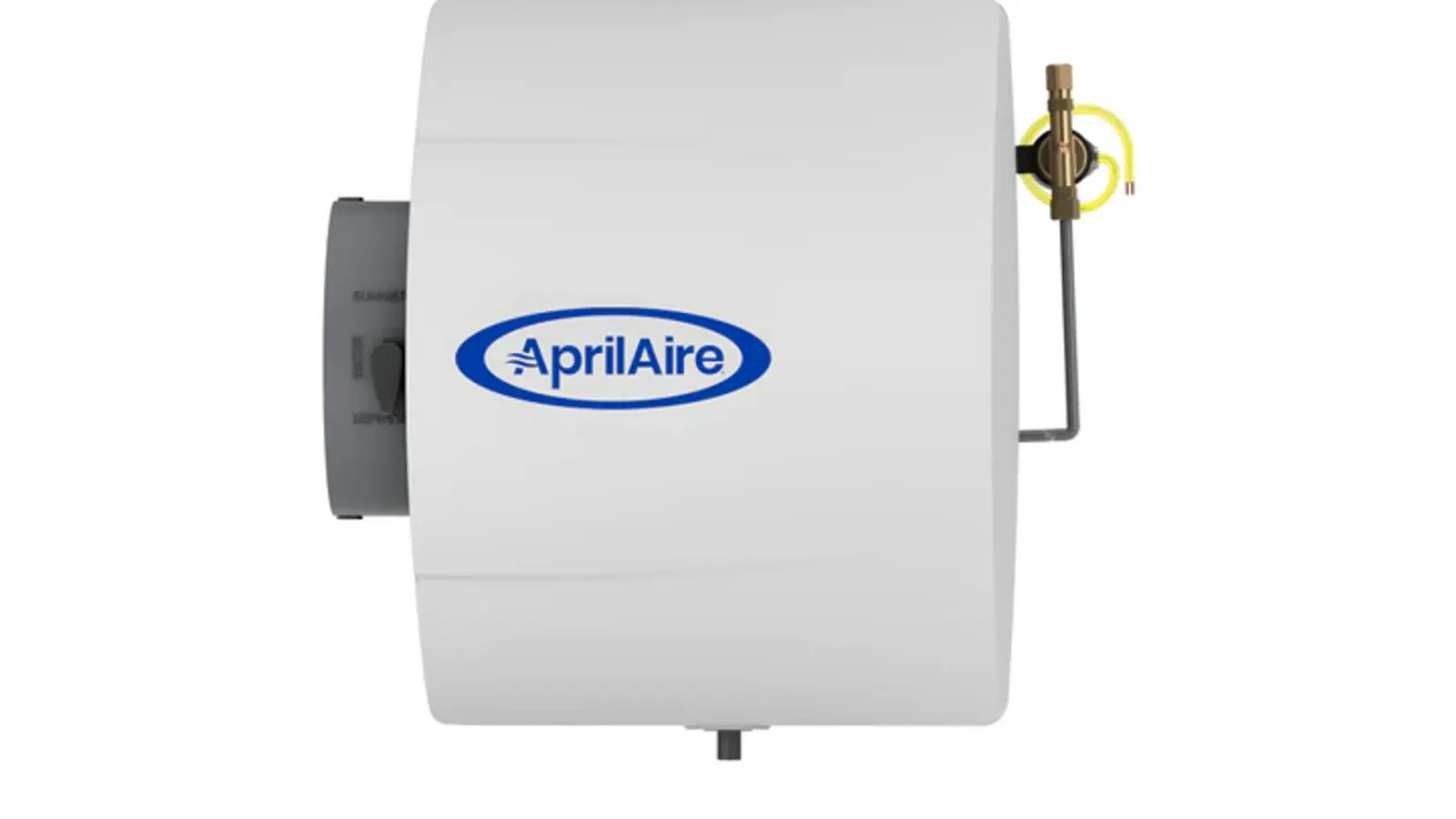
- Whole-home humidifiers integrate with your furnace to deliver consistent, balanced humidity
- Proper humidity reduces respiratory infections, static electricity, and hardwood floor damage
- Installation costs $300–$1,500 depending on bypass vs. steam models
In This Article
Every Ontario winter, the air inside your home becomes a desert. Your furnace heats cold outdoor air, and since cold air holds very little moisture, the result is indoor humidity levels of 15–25% — half the minimum recommended level. A whole-home humidifier is the most effective solution. Here's what it does for your health, comfort, and home.
Why Winter Air Is So Dry
Cold air physically cannot hold as much moisture as warm air. When your furnace draws in –15°C outdoor air and heats it to 21°C, the relative humidity plummets. A room at 21°C with outdoor-sourced air can easily sit at 15% humidity — roughly equivalent to the Atacama Desert. Opening a window briefly doesn't help because the incoming cold air holds even less moisture.
Portable humidifiers address a single room but require constant refilling and create uneven humidity levels throughout the house. A furnace-mounted whole-home humidifier delivers moisture through the ductwork, maintaining consistent levels in every room automatically.
Health Benefits of Proper Humidity
Fewer respiratory infections. Dry air dries out the mucous membranes in your nose and throat — your body's first defense against airborne viruses. Studies show flu virus survival drops dramatically at 40–60% humidity compared to 20%. Maintaining proper humidity is one of the simplest ways to reduce winter cold and flu transmission in your household.
Relief for allergy and asthma sufferers. Dry air irritates airways and makes existing conditions worse. Balanced humidity soothes irritated passages and reduces nighttime coughing. However, too much humidity (above 50%) promotes dust mites and mould — the goal is the 30–50% sweet spot.
Better sleep. Dry air causes snoring by swelling nasal tissues and restricting airflow. It also causes dry mouth and sore throats upon waking. A properly humidified bedroom improves sleep quality noticeably — most people report results within the first week.
No more nosebleeds and cracked skin. Chronic nosebleeds and painfully dry skin are hallmarks of low indoor humidity. These symptoms resolve quickly once humidity is brought above 30%.
Home Protection Benefits
Hardwood floors and furniture. Wood is hygroscopic — it absorbs and releases moisture with ambient humidity. Extended periods below 30% humidity cause hardwood planks to shrink, creating visible gaps between boards. Wood furniture can crack and joints can loosen. Maintaining 35–45% humidity preserves your investment in hardwood floors and wooden furnishings.
Reduced static electricity. If you're getting shocked every time you touch a doorknob or your laundry clings together like velcro, the air is too dry. Static electricity virtually disappears above 35% humidity.
Paint and drywall protection. Extremely dry air can cause paint to crack and drywall joints to shift slightly, creating hairline cracks at seams. These cosmetic issues are preventable with consistent humidity control.
Types of Whole-Home Humidifiers
There are three main types of furnace-mounted humidifiers:
- Bypass (flow-through): $300–$500 installed. Uses the furnace's warm air to evaporate water from a pad. Simple, reliable, low maintenance — replace the pad once per year. Best for homes under 3,000 sq ft
- Fan-powered: $400–$700 installed. Includes its own fan to push air through the water pad, producing 50% more moisture than bypass models. Good for larger homes or homes with multiple zones
- Steam: $800–$1,500 installed. Boils water to create steam, delivering the most precise humidity control and highest output. Works independently of the furnace, so it humidifies even when the furnace isn't running. Best for large homes or when precise humidity control matters
Frequently Asked Questions
Can too much humidity be a problem?
Yes. Above 50% relative humidity, you risk condensation on windows, mould growth, and increased dust mite populations. Use a hygrometer (or a smart thermostat with humidity sensing) to keep levels in the 30–50% range. Lower the setting when outdoor temperatures drop below –20°C to prevent window condensation.
How much maintenance does a whole-home humidifier need?
Bypass and fan-powered models need the evaporator pad replaced once per season ($15–$25). Steam humidifiers need the canister cleaned or replaced 1–2 times per season. All types should be inspected during your annual furnace maintenance visit.
Will a humidifier increase my water bill?
Minimally. A bypass humidifier uses about 12–15 gallons of water per day during operation — roughly $3–$5 per month on your water bill. Steam humidifiers use less water since they don't have a continuous drain.
Stop Suffering Through Dry Winters
A whole-home humidifier is one of the most cost-effective comfort upgrades for an Ontario home. Healthier air, better sleep, protected hardwood floors, and no more static shocks — all for a modest one-time investment. Request a free quote or call 1-855-539-4328 to discuss which type is right for your home.